Types of IOLs Available for Cataract Treatment Singapore

At Angel Eye & Cataract Centre, different intraocular lenses are designed to support different visual priorities after cataract surgery.

Monofocal IOLs: The Standard Single-Distance Lens
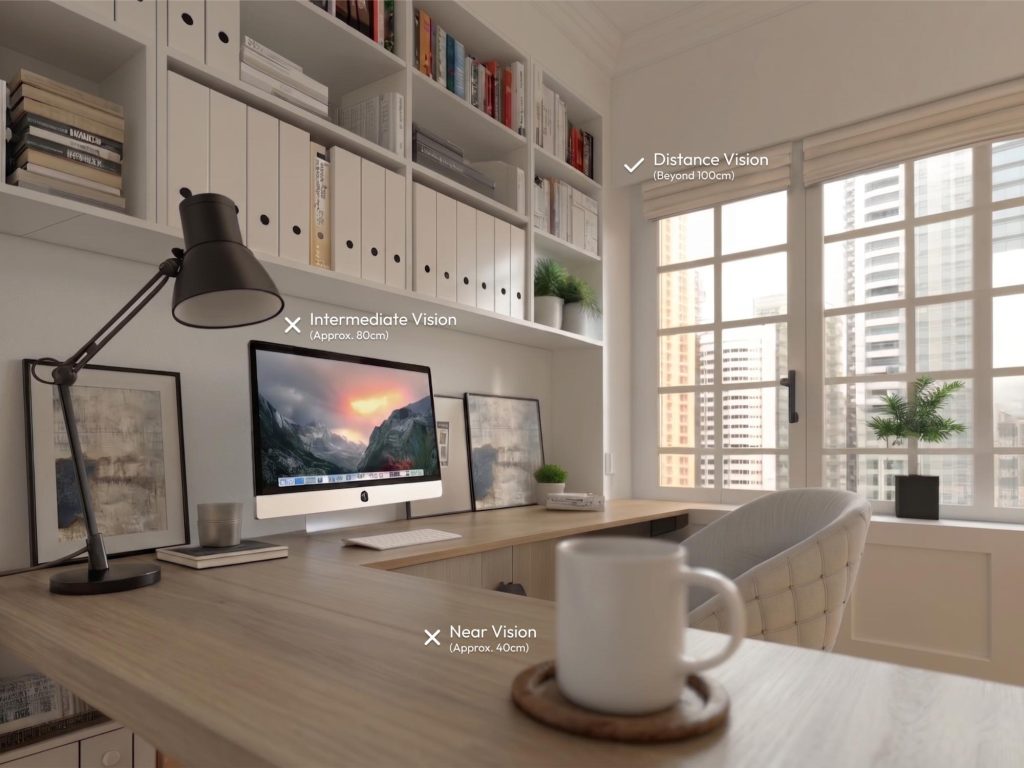
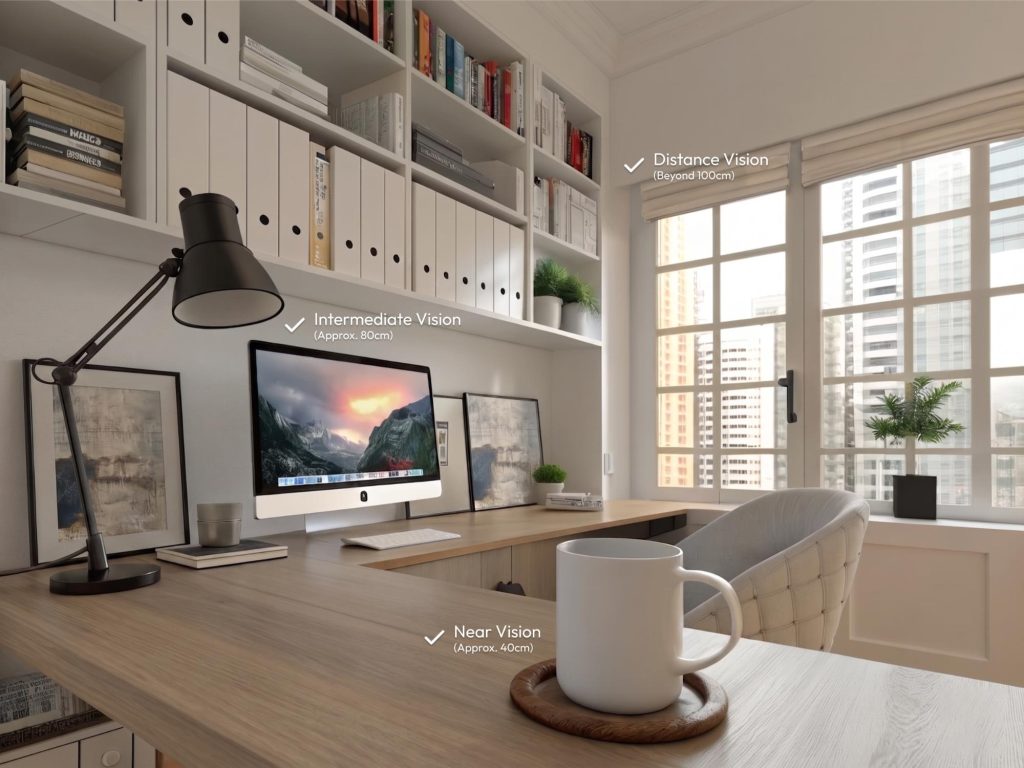
Monofocal intraocular lenses are designed to provide clear vision at a primary focal distance, usually for distance vision.

This means you may still require glasses for reading or close-up tasks after surgery. Monofocal lenses are commonly selected because they provide consistent visual clarity and generally maintain good contrast sensitivity, particularly in low-light conditions.

For example, some patients prioritise sharper distance vision for activities such as driving, walking outdoors, or watching television, and do not mind using reading glasses when needed.

Monofocal lenses may also produce fewer visual disturbances, such as halos or glare, compared to some other lens designs.

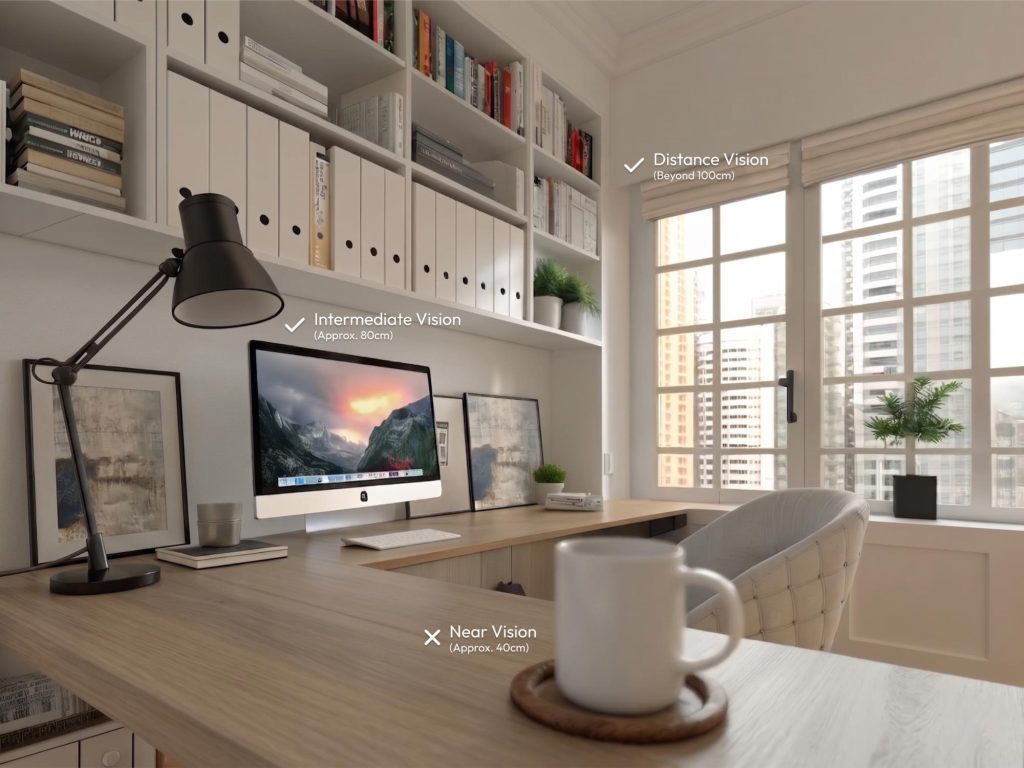
Multifocal intraocular lenses are designed to distribute focus across multiple viewing distances, supporting both distance and near vision as part of presbyopia management.

These lenses may reduce your dependence on glasses. However, because incoming light is divided across different focal points, some patients notice visual disturbances such as halos, glare, or starbursts, particularly at night.

There is also typically a neuroadaptation period, during which the brain gradually adjusts to processing vision differently after cataract surgery.

Extended Depth of Focus (EDOF) lenses are designed to create a more continuous range of focus rather than separate focal points.

They are commonly used to support distance and intermediate vision, which may be helpful for activities such as computer work, cooking, shopping, or viewing a car dashboard while driving. Reading small print may still require glasses in some situations.

Some patients prefer EDOF lenses when they spend long hours on screens or want a broader visual range without placing as much emphasis on near reading vision.

Compared to multifocal lenses, EDOF lenses may produce fewer nighttime visual disturbances in selected patients.

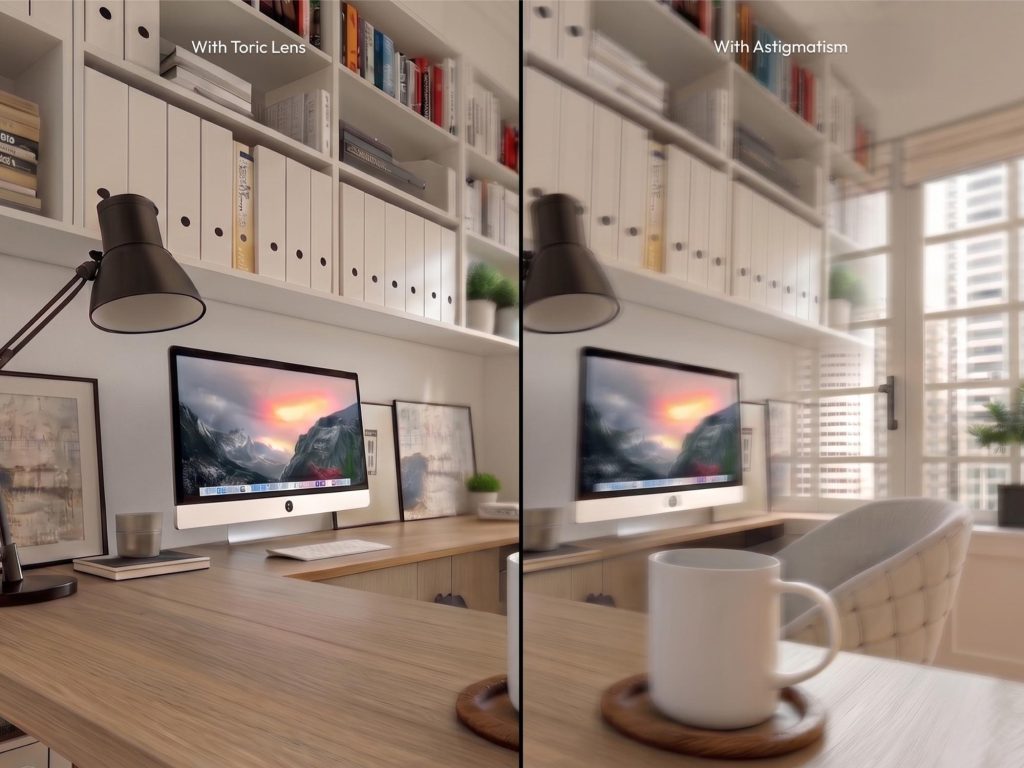
Toric intraocular lenses are designed for astigmatism correction during cataract surgery.

Astigmatism occurs when the cornea has an uneven curvature, causing light to focus irregularly within the eye. This may lead to blurred or distorted vision at different distances.

Patients with astigmatism may notice that text appears stretched, lights look smeared at night, or vision remains unclear even after updating spectacles.

By incorporating astigmatism correction into the artificial lens implant itself, toric lenses may reduce the need for additional spectacle correction after surgery.

Accommodating intraocular lenses are designed to support focus across different viewing distances by responding to movement within the eye.

Unlike standard single-focus lenses, these lenses attempt to create a more natural shift between near and distance vision. Some patients prefer this approach for everyday activities such as looking at their phone and then glancing up to watch television or speak to someone across the room.

The amount of focusing range achieved can vary between individuals, and some people may still require reading glasses for smaller print or prolonged near work.

Compared to other lens technologies, accommodating lenses are used less commonly today and may not be suitable for every patient or visual goal.

Light-adjustable lenses (LALs) are a type of intraocular lens that can be modified after cataract surgery using controlled ultraviolet light treatments.

This allows additional fine-tuning of vision after the lens has already been implanted and the eye has started healing. Adjustments may be used to refine refractive outcomes based on how the eye responds after cataract surgery.

This may be considered in selected cases where highly customised visual outcomes are especially important, such as for patients with more specific visual requirements or complex refractive considerations.