
Summary
- Ageing is the main cause of cataracts, but not the only one. Cataract risk factors also include diabetes, long-term steroid use, high short-sightedness, smoking, sunlight and eye injury.
- Diabetes and cataracts are closely linked. People with type 2 diabetes have close to twice the odds of developing a cataract (Li et al., 2014).
- Cataracts appear around ten years earlier in Asian populations, so Singaporeans in their forties and fifties do develop them (Chua et al., 2015).
- Some causes of cataracts are within your control, including smoking and sun exposure. An eye specialist at Angel Eye & Cataract Centre can assess your own risk factors.
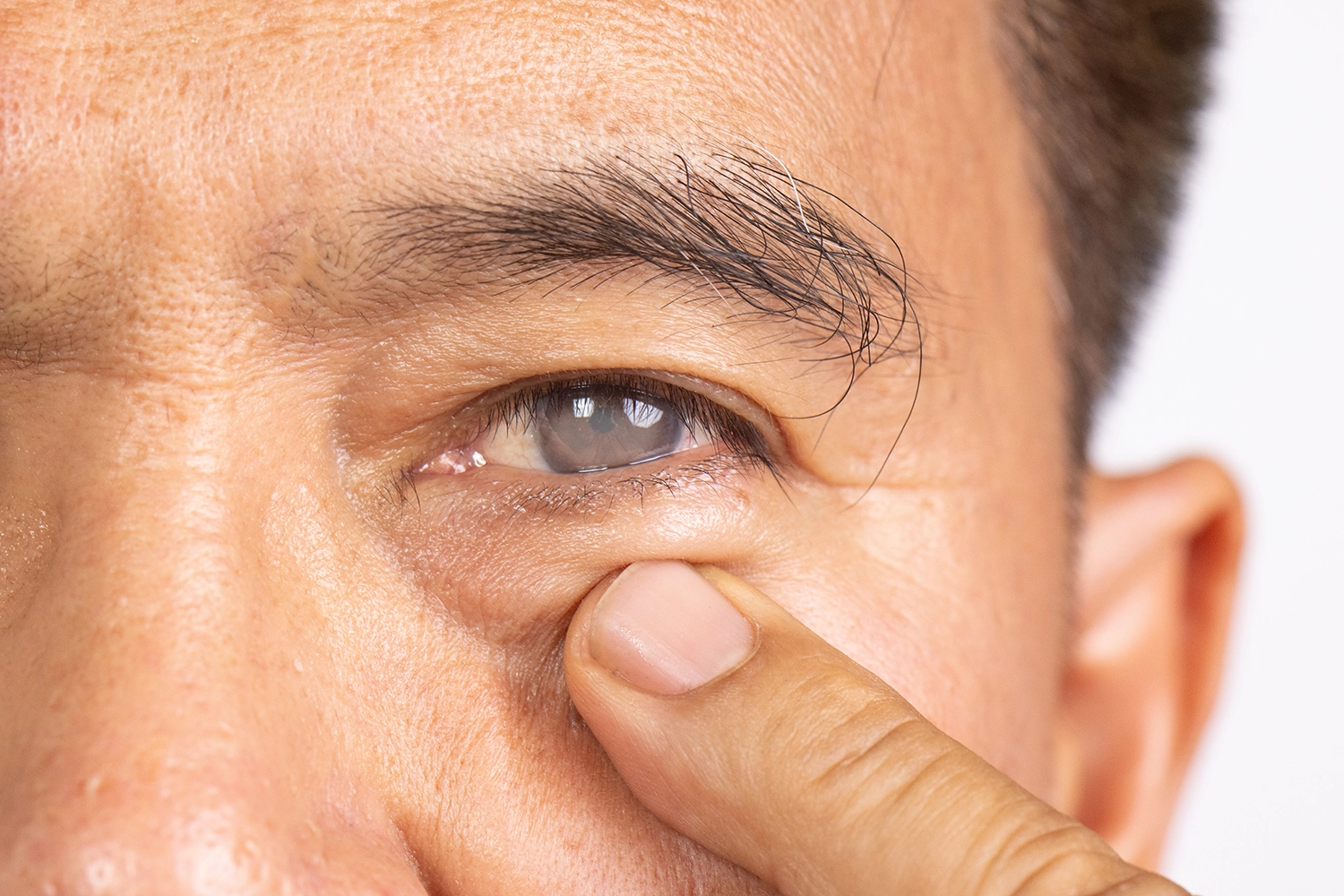
You are in your late forties. You eat well enough, you feel fine, and cataracts are the last thing on your mind. Lately, though, the figures on your work screen have started to blur by mid-afternoon, and the drive home along the expressway has become a smear of glare and haloed headlights. You have had type 2 diabetes for about ten years, kept in check well enough that you rarely think about your eyes.
So it comes as a real surprise when the doctor explains that the haze in your vision is an early cataract, and that your diabetes has very likely brought it on years sooner than it would have otherwise. It is a well-known link, one that turns up in clinics across Singapore every week. The people who assume cataracts are decades away are often the ones who wait longest to get a simple change looked at.
This is the part most people never hear. Cataracts are not just for the very old, and several of the things that bring them on early are hiding in plain sight: in the medicine cabinet, in everyday habits, and in the strong sun overhead. Here is what actually brings a cataract on before its time.
What Causes Cataracts to Form Apart From Age?
Ageing is the main cause of cataracts, but not the only one. Diabetes, long-term steroid use, high short-sightedness, smoking, prolonged sun exposure, and eye injury can all bring a cataract on sooner. In Asian populations, cataracts tend to appear around ten years earlier than in white populations. (Chua et al., 2015)
‘’Patients are often surprised to hear their cataract has little to do with turning old,’’ says Dr Allan Fong, an eye specialist at Angel Eye & Cataract Centre. Once we look at diabetes, medication, and lifestyle together, it usually makes sense. That fits the wider picture in Singapore, where a large population study found cataracts were common across all the main ethnic groups and started roughly a decade earlier than in comparable Western populations.

How Does Diabetes Cause Cataracts?
Diabetes raises the risk of cataracts considerably and can bring them on years earlier. Persistently high blood sugar alters the proteins in the lens and speeds up the clouding. In one large review, people with type 2 diabetes had close to twice the odds of developing a cataract compared with those without it. (Li et al., 2014)
That review pooled data from more than twenty thousand people, and the Singapore Epidemiology of Eye Diseases study likewise found diabetes among the factors linked to needing cataract surgery. How much diabetes raises the risk tends to track with how severe it is and how well it is controlled: mild, well controlled diabetes may make little difference, whereas moderate to severe or poorly controlled diabetes can bring a cataract on years earlier, and may affect the timing of surgery. High blood pressure has been tied to cataract as well. For the many Singaporeans living with diabetes, it is a strong reason to keep blood sugar steady and to have the eyes examined regularly.

What to watch for
- Blurred vision that fluctuates with your blood sugar levels
- Difficulty with glare or night vision
- Any vision change if you have diabetes, which needs prompt review
Can Steroids Cause Cataracts?
Yes. Long-term steroid use, whether from asthma inhalers or tablets, is a well-known cause of one particular type of cataract. Being very short-sighted is also linked to cataracts forming earlier. Both can affect people well before old age, so it is worth mentioning either to your doctor. (Cumming et al., 1997)
A landmark study in the New England Journal of Medicine found that inhaled steroids raised the risk of this type of cataract, with the risk climbing as the lifetime dose went up. If you use steroids regularly, let your eye specialist know so your eyes can be kept under review.
Can Myopia Cause Cataracts?
Short-sightedness is a cause in its own right, quite separate from steroids. Marked myopia is linked to cataracts forming years earlier than they otherwise would, and that risk is greatest when the short-sightedness sets in during childhood (Tan et al., 2018). As myopia is a condition that keeps progressing until it settles in the early twenties, it is best brought under control before the age of twenty-one, which is where Angel Eye & Cataract Centre can help with childhood myopia control.
What to watch for
- Blurring or glare if you take regular steroid medication
- Worsening vision if you are highly short-sighted
- New difficulty reading despite an up to date prescription
Do Smoking and Sunlight Really Affect Cataracts?
Yes, and both are within your control. Smoking is linked to a large share of one common type of cataract, while ultraviolet light contributes to clouding around the edge of the lens. In a country as sunny as Singapore, wearing proper sunglasses outdoors is a small habit that genuinely helps. (McCarty & Taylor; Li et al., 2021)
Researchers estimate that smoking accounts for a meaningful proportion of nuclear cataracts, and ultraviolet exposure for a share of cortical ones, and a separate review confirmed that more sun exposure raises the risk of cortical cataract. Stopping smoking and shielding your eyes from strong sun are among the few causes of cataracts you can act on directly.
What to watch for
- Cloudy or dim vision if you smoke or have smoked heavily
- Frequent outdoor sun exposure without eye protection
- Gradual loss of contrast or colour vision over time
If you have been told a cataract needs treatment, our guide to common cataract surgery myths explains what to expect and clears up the fears that hold many people back.
Frequently Asked Questions About Cataracts in Singapore
Can you get cataracts in your forties in Singapore?
Yes. Most cataracts are age-related, but diabetes, steroid use, high short-sightedness, and eye injury can all cause them earlier, and people in their forties and fifties do develop them. If your vision has changed, Angel Eye & Cataract Centre can check whether a cataract is the reason.
Can I prevent cataracts from forming?
You cannot avoid age-related change altogether, but you can reduce some of the risk. Managing diabetes, not smoking, protecting your eyes from ultraviolet light, and using steroids only as prescribed all help. Regular eye checks catch any change early, while it is still easy to manage.
Does having diabetes mean I will definitely get a cataract?
Not necessarily, but diabetes clearly raises the risk and can bring a cataract on sooner. Keeping blood sugar well controlled lowers that risk. If you have diabetes, it is worth having an eye specialist monitor your lens and overall eye health regularly.
When to Seek Help
It is worth arranging an eye examination if you notice any of the following:
- Blurred, cloudy, or dim vision, especially if you have diabetes
- Increased glare or halos around lights at night
- Faded or yellowed colours
- Vision changes at a younger age than you expected
About Angel Eye & Cataract Centre
At Angel Eye & Cataract Centre, Dr Allan Fong and the team assess and treat cataracts for patients across Singapore. As an experienced eye specialist, Dr Allan Fong looks at the whole picture, including diabetes, medication, and lifestyle, to explain why a cataract has formed and what can be done. Where treatment is needed, the lens is replaced under local anaesthesia with IV sedation.
Vision changed earlier than you expected?
Age is only part of the story. If your vision has changed, understanding your own risk factors is the first step to protecting your sight. A thorough eye examination can show what is happening and guide you calmly through the choices. To learn more about the causes of cataracts affecting your vision, book a consultation with Angel Eye & Cataract Centre.
Medical References
- Chua J, Koh JY, Tan AG, et al. Ancestry, Socioeconomic Status, and Age-Related Cataract in Asians: SEED Study. Ophthalmology. 2015;122(11):2169-2178. doi:10.1016/j.ophtha.2015.06.052
- Tan AG, et al. Six-Year Incidence of and Risk Factors for Cataract Surgery: SEED Study. Ophthalmology. 2018. https://pubmed.ncbi.nlm.nih.gov/30077615/
- Li L, Wan XH, Zhao GH. Meta-analysis of the risk of cataract in type 2 diabetes. BMC Ophthalmol. 2014;14:94. doi:10.1186/1471-2415-14-94
- Cumming RG, Mitchell P, Leeder SR. Use of inhaled corticosteroids and the risk of cataracts. N Engl J Med. 1997;337(1):8-14. doi:10.1056/NEJM199707033370102
- McCarty CA, et al. Attributable risk estimates for cataract. https://pubmed.ncbi.nlm.nih.gov/11053268/
- Li X, Cao X, Yu Y, Bao Y. Correlation of Sunlight Exposure and Different Morphological Types of Age-Related Cataract. Biomed Res Int. 2021;2021:8748463. doi:10.1155/2021/8748463
- Yu X, Lyu D, Dong X, He J, Yao K. Hypertension and Risk of Cataract: A Meta-Analysis. PLoS One. 2014;9(12):e114012. doi:10.1371/journal.pone.0114012
- National Eye Institute. Cataracts. https://www.nei.nih.gov/eye-health-information/eye-conditions-and-diseases/cataracts
- Chua J, Lim B, Fenwick EK, et al. Prevalence, Risk Factors, and Impact of Undiagnosed Visually Significant Cataract: SEED Study. PLoS One. 2017;12(1):e0170804. doi:10.1371/journal.pone.0170804
- MedlinePlus. Cataract. https://medlineplus.gov/cataract.html