

The most useful questions to ask are not about machines or lens brands. Here is what actually predicts a good result, and what to ask your surgeon.
Summary
Choosing a cataract surgeon matters more than most people assume, and, reassuringly, it comes down to a few clear questions rather than any specialist knowledge. The factor with the strongest evidence behind it is simply experience: across large national studies, surgeons who perform more cataract operations tend to have lower complication rates. Numbers alone are not the whole picture, though. A good surgeon takes a full history, examines the whole eye rather than the cataract alone, explains the lens options in plain terms, and sets honest expectations without any pressure to decide. A careful assessment before the day of surgery is where problems are caught early, and the right lens is chosen, which is why it deserves as much attention as the operation itself. This guide sets out what genuinely makes a difference when choosing a cataract surgeon, the questions worth asking at a first visit, and the signs of a thorough, honest assessment. Read on for the full picture.
Olivia had chosen her hairdresser more carefully than she was choosing her eye surgeon. A relative had given her a name, she had made an appointment, and that was it. It was only when a friend asked how many of these operations the surgeon did, and whether she had discussed her lens options, that Olivia realised she had no idea. She had not thought to ask.
It is a common story. Cataract surgery is so routine that people can assume every surgeon and every clinic is interchangeable, and that the decision needs no more thought than booking a dental cleaning. The operation is indeed usually straightforward and safe. But it is still surgery on your eye, the lens it places will stay with you for life, and the person doing it, along with the care taken before and after, genuinely matter.
The reassuring part is that choosing well does not require you to understand the surgery itself. It requires a handful of sensible questions, and knowing what a careful answer sounds like. Here is what actually matters when choosing a cataract surgeon, and what to ask.
What Should You Look for in a Cataract Surgeon?
Look for a qualified eye surgeon with solid experience in cataract surgery, who examines your whole eye, explains your lens options clearly, and sets realistic expectations without pressure. Experience matters most on the evidence, but a careful, honest assessment and good communication matter almost as much for your confidence and your result. (Bell et al., 2007)
“Patients often ask me about the machine or the lens brand, when the more useful questions are about experience and the assessment,” says Dr Allan Fong of Angel Eye & Cataract Centre. “A thorough check before surgery prevents most surprises after it.” The research backs the emphasis on experience: higher-volume cataract surgeons have consistently lower complication rates in large studies.
Does the Surgeon's Experience Really Matter?
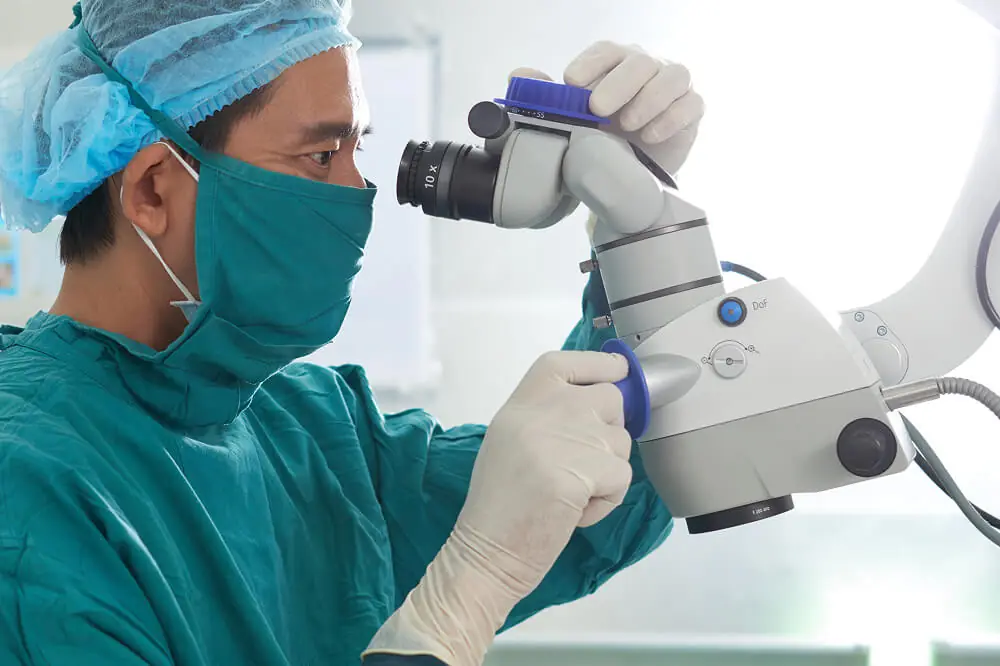
Yes. This is the factor with the strongest evidence. Large population studies have found that surgeons performing more cataract operations have lower rates of complications, and the relationship holds even at high volumes. Complication rates are low across the board, but experience measurably improves the odds. (Bell et al., 2007)
In one population-based analysis, fewer than one in two hundred patients had a serious adverse event, and higher-volume surgeons had lower rates still. Data from a national cataract register showed capsule complication rates falling steadily as annual surgical volume rose. It is entirely reasonable to ask a cataract surgeon how often they perform the operation. A confident, straightforward answer is a good sign.
What to watch for:
- How regularly the surgeon performs cataract surgery
- Whether they handle more complex cases when needed
- A clear, unhurried answer to your questions
What Questions Should You Ask at Your First Visit?
Ask how often the surgeon performs cataract surgery, which lens options suit your eyes and lifestyle, what the risks are in your case, and what recovery will involve. Good questions also include what happens if there is a complication, and who to contact afterwards. The quality of the answers tells you a lot. (National Eye Institute)
A careful surgeon welcomes these questions rather than brushing them aside. The National Eye Institute encourages patients to discuss lens options and expectations before surgery. You are not being difficult by asking, you are doing exactly what a good clinician wants. If questions are met with impatience or vague reassurance, that itself is useful information.

What to watch for:
- Whether your questions are welcomed or rushed
- Whether lens options are explained in plain terms
- Whether risks and recovery are discussed honestly
What Does a Good Pre-Surgery Assessment Involve?
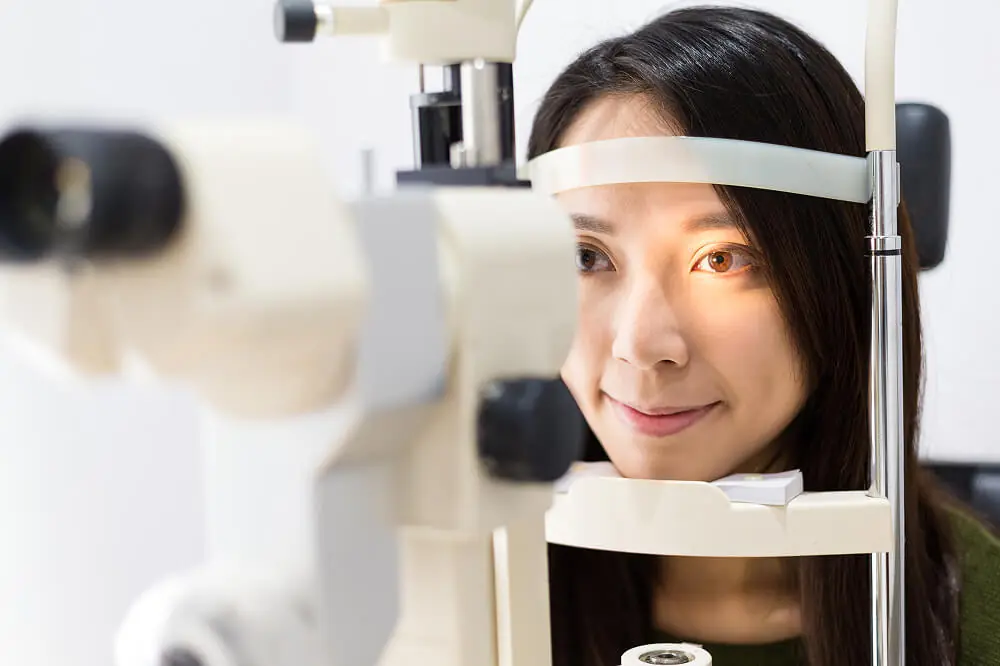
A good assessment looks at the whole eye, not just the cataract. It includes measurements of the eye to select the right lens power, a check of the cornea, retina, and eye pressure, and a review of your general health and medications. This is where problems are caught early and the right lens is chosen. (National Eye Institute)
Careful measurement and a full eye examination are what make a predictable result possible, and they also reveal conditions that might change the lens recommendation. A good assessment also weighs your general health, not just your eyes: if your blood pressure is high and not well controlled, for example, a surgeon may advise getting it stable first, sometimes over several months, before going ahead with elective surgery, because operating on an optimised patient is safer. Madam Siti’s friend was right to ask about the assessment, because a rushed one is where avoidable disappointments begin.
What to watch for:
- Whether the eye is measured properly beforehand
- Whether the cornea, retina, and pressure are checked
- Whether your blood pressure, medications, and health are reviewed
Part of choosing well is understanding your lens choices. Our guide to cataract lens options explains them in plain terms.
Frequently Asked Questions About Choosing a Cataract Surgeon in Singapore
How do I choose a good cataract surgeon in Singapore?
Look for a qualified surgeon with regular experience in cataract surgery, who examines the whole eye, explains your lens options clearly, and answers your questions without rushing. Experience has the strongest evidence behind it. You can discuss all of this at a first consultation with Angel Eye & Cataract Centre.
Does it matter how many cataract surgeries a surgeon has done?
Yes. Studies show that surgeons who perform more cataract operations tend to have lower complication rates. Rates are low across the board, but experience improves the odds, so it is a fair and useful question to ask any cataract surgeon before you decide.
What should I ask before cataract surgery?
Ask how often the surgeon operates, which lens suits your eyes and lifestyle, the risks in your case, and what recovery involves. Also ask who to contact if you have concerns afterwards. An eye specialist at Angel Eye & Cataract Centre will walk you through each of these.
Questions to Bring
When choosing a cataract surgeon, it helps to ask:
- How often do you perform cataract surgery?
- Which lens would suit my eyes and daily life, and why?
- What are the risks in my particular case?
- What will recovery involve, and who do I contact with concerns?
About Angel Eye & Cataract Centre
At Angel Eye & Cataract Centre, Dr Allan Fong and the team welcome these questions from every patient in Singapore. As an eye specialist, Dr Allan Fong carries out a full assessment of the eye, explains the options clearly, and sets realistic expectations before any decision. Surgery, when chosen, is performed under local anaesthesia with IV sedation.
Looking for a surgeon who will explain everything?
Choosing well is mostly about asking the right questions and listening to how they are answered. If you are looking for a cataract surgeon who will assess your eyes thoroughly and explain your options honestly, that is exactly the kind of consultation we offer. To arrange one, contact Angel Eye & Cataract Centre.
Medical References
- Bell CM, et al. Surgeon volumes and selected patient outcomes in cataract surgery: a population-based analysis. Ophthalmology. 2007.
- American Academy of Ophthalmology (EyeNet). Cataract Surgery: Volume and Complications.
- National Eye Institute. Cataract Surgery.
- National Eye Institute. Cataracts.
- Majithia S, et al. Cohort Profile: The Singapore Epidemiology of Eye Diseases Study. Int J Epidemiol. 2021;50(1):41. doi:10.1093/ije/dyaa238
- Chua J, Lim B, Fenwick EK, et al. Prevalence, Risk Factors, and Impact of Undiagnosed Visually Significant Cataract: SEED Study. PLoS One. 2017;12(1):e0170804. doi:10.1371/journal.pone.0170804
- MedlinePlus. Cataract.